
The crop we lost in September 2024
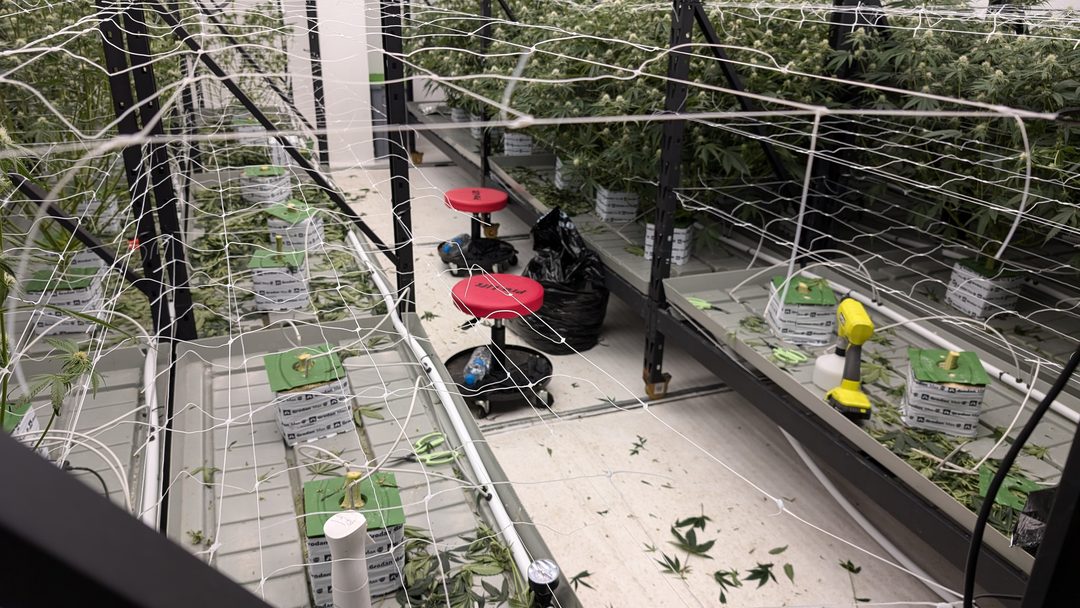
We said that Field Notes would be about passing on what we've learned, often the hard way. This is one of those difficult lessons.
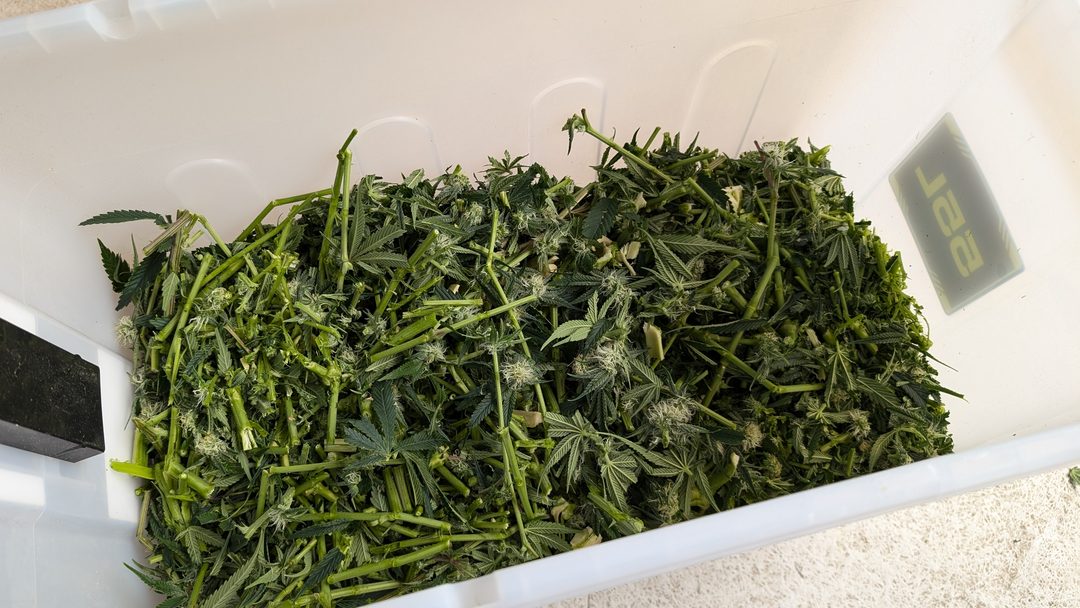
In September 2024, mid-way through flower, we pulled every plant out of the room and destroyed the lot. No harvest, no product, just a very quiet room and a lot of green waste.
What we found
We'd brought in the crew to defoliate for the day. It was shaping up to be a solid yield, we were hitting some heavy drybacks and just over 3 weeks in they were looking very promising.
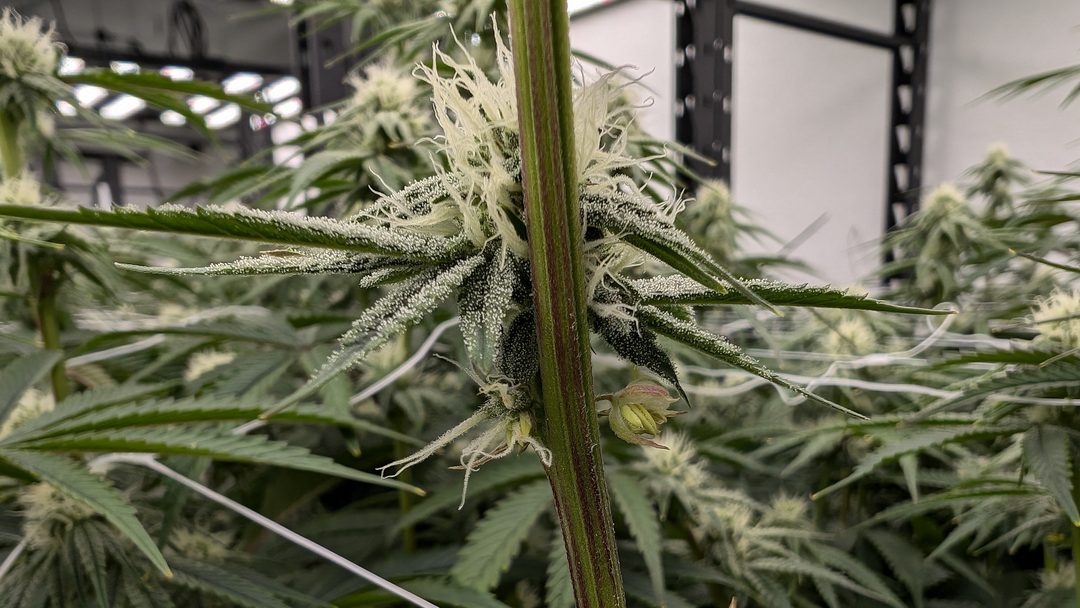
Then, we spotted some parts hanging off the plant that shouldn't have been there. Some of the plants had herm'd. Initially it was just one branch on one plant, we kept defoliating. Then someone else found it on another plant. Then another.
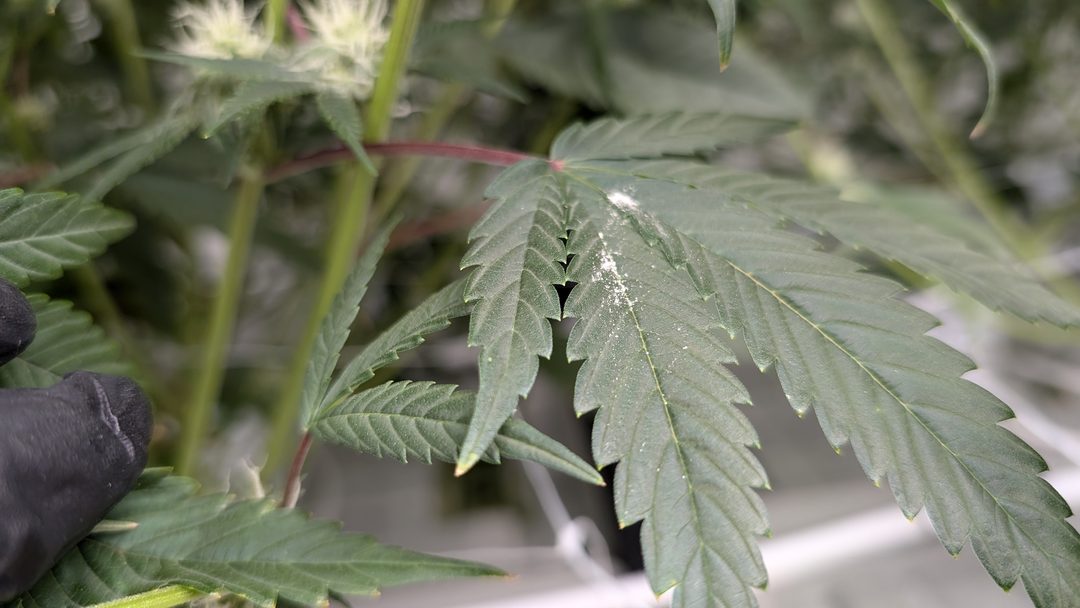
Before long, it was painfully clear we weren't getting away from this one, when we saw a decent pollen dusting on one of the leaves. It was over. Half a day of defoliation and 6 weeks of growth was all for nothing!
Why we cut everything down
We started just plucking the affected parts off the plants, hoping it was one or two small outliers. Maybe they'd dried back too much because those plants were larger?
We'd not had any issues before, and this time we'd gone for a shorter two-week vege compared with our previous 3 & 4 week cycles, so initially we remained hopeful. Once we'd begun to grasp the extent of it, we had to make the painful decision to chop the lot down.
Under the NZMQS, seeded plants aren't the end of the world provided it remains under the Foreign Materials limit (2% w/w), so the odd seed would still pass. This run wasn't going to end up being within spec, and we've seen a lot of growers kid themselves over "lightly seeded" runs. We didn't want to be like that. It made sense to pull it sooner rather than later. 15 minutes after we found our first herm'd plant, we made the call to cull the room.
What caused it
Ultimately: Hand mixing nutrients. But, not for the reason you'd think.
In reality, it was cheap nutrient substitutions that caused clogged drippers. Yeah, even despite the multiple disc-filters we had on our irrigation.
We'd been running Athena in the 6" Hugo cubes just fine for the previous seasons. This run we changed two things:
- Larger reservoir, going from 400L to 1000L
- Substituting Athena Cleanse (HOCl) for ANK Anolyte
We went for the larger reservoir because otherwise we were filling the 400L res every single day. It was tiresome. A 1000L FlexiTank reservoir means we only filled it up every 3 days (approx). But, the bigger res was a problem because mixing the nutrients and getting that homogenous batch tank with a small drill and paint mixer was pretty difficult. If we had automatic dosing, we could have just recirculated the tank on the regular to mitigate some of the issues.
We also didn't have any recirculation, like we have with our current 240L reservoir. On top of this, it was sitting for longer because the Res was larger, and exacerbated by the fact we used a substitue hypochlorous acid, ANK Anolyte, which would cause fallout from solution over time.
On paper the ANK Anolyte (Hypochlorous Acid) seemed great. Twice the strength, so we used half as much, but even better it was 1/3 the price! In reality, causing nutrients to fall out of solution, both in the reservoir AND in the pipes, wasn't worth the saving. That then clogged the drippers. We'd gone from never having a single dripper clog to having an estimated 1/3 of the room by the time we caught the issue.
Why didn't we pick it up on substrate sensors? Well, we only had three, across our six isles. As chance would have it, those ones were all fine.
What it cost
This part is still painful to write. It cost a lot. It was terrible timing too. We'd just culled some of our excess mothers the day before, so they went through the mulcher and couldn't be resurrected. We had a number of smaller mums, that we'd production-scheduled to be ready to take clones off in two weeks time.
So Jo had to borrow some money from family, to get through the coming few months. Finally paid that back last year. The cost of having spent 6 weeks getting to that stage, only to get nothing. The nutrients used. Paying the growmies for their help defoliating too. Those were all still costs incurred that we couldn't recoup.
On top of that, not long after, Jo's daughter was born. In some ways it was a blessing, not to have to be in the garden at harvest time when wifey needed him most. In other ways, no income, and the stress of a failed crop, it wasn't pretty. But we made it out the other side!
What we changed
This was a BIG wake-up for us around tank mixing. We knew we needed a few changes:
- Automatic tank mixing
- Smaller reservoirs
- No cheaper substitutes
- Better coverage with substrate sensors (even just a couple more)
- More time in the garden, rather than playing mad-scientist mixing nutrients
It took us another ~9 months to get our automatic batch dosing system designed, fabricated, tested, calibrated, and in production. This was the catalyst that really allowed most of the remainder in the list. Until then, every day, Jo went in and would hand-mix the tank. It was approx 90 mins, round-trip, including on Christmas Day, to drive into work and do just that.
Once we had the automatic mixing, we had that much more free time to be able to walk the isles and inspect the plants, to ensure this didn't happen again. It hasn't, but the extra peace-of-mind is good.
No more substituting cheap nutrient alternative. Sure, we could save ~$50-100 a grow by using a hypochlorous from another vendor, but if it didn't stay in solution the same then what's the point in those savings? Let's say we saved $50, but, what did it cost us? A whole lot more...
If it happens to you
Make the hard call sooner rather than later. There's no sense pushing shit uphill when you know you're not going to get the end results you need.
Cull early, cull it all. Get a second opinion from another growmie if you need, get them to come into your room and check it even.
And most importantly, get yourself some automatic batch-tank mixing system. We made one that integrates into Home Assistant, so ties into all your other automations. We've made it with stepper motor controlled peristaltic pumps, so it's repeatable time and time again.
Reliable dosing, of consistent nutrients. That's what you want!
And yes, you can bounce back from it. It's tough, but, it's doable.